Inconsistent walkthroughs negatively impact teacher morale by creating chronic anxiety, eroding trust in leadership, and reducing job satisfaction.
When evaluation criteria feel unpredictable, teachers shift their focus from instructional growth to fear of judgment.
This guide explores the emotional toll of inconsistency, its ripple effect on students, and how schools can implement fair, growth-oriented observation cycles.
Principales conclusiones
- Inconsistent walkthroughs lead to heightened anxiety and reduced trust among teachers, negatively impacting their morale and professional confidence.
- Psychological safety is crucial for teacher engagement; fair and transparent evaluation practices foster collaboration and mutual respect between teachers and administrators.
- The adverse effects of inconsistent evaluations extend to students, creating chaotic learning environments; consistent feedback and support for teachers are essential for enhancing overall student success.
What Is the Emotional Toll of Inconsistent Walkthroughs?
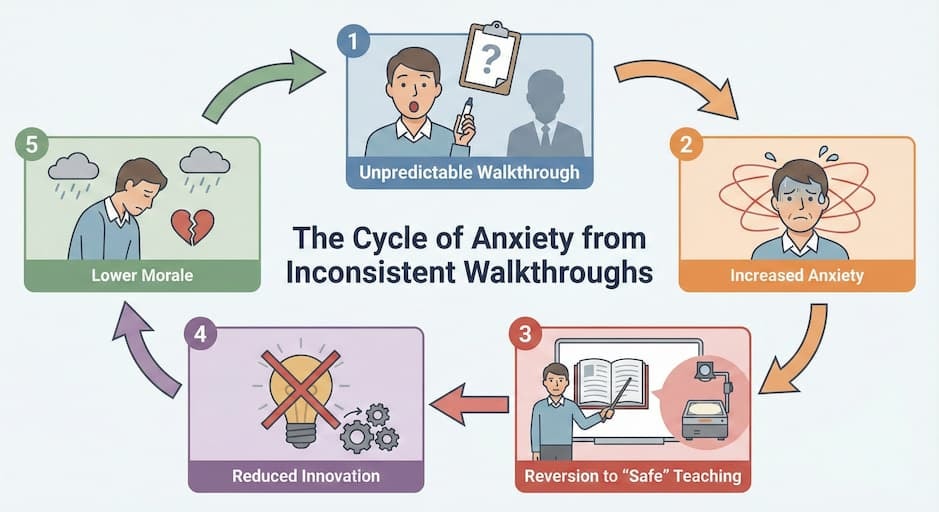
The emotional toll of inconsistency manifests as chronic professional instability, where teachers prioritize self-protection over instructional innovation.
When evaluation criteria are unpredictable, teachers experience a ‘fight or flight’ response; instead of focusing on classroom management, they expend energy anticipating judgment. This shift causes a decline in pedagogical risk-taking, as teachers revert to ‘safe,’ basic methods to avoid potential criticism during random visits.
According to a 2022 survey by the Texas Association of School Boards (TASB), 48% of teachers experience adverse effects on their teaching and professional growth due to evaluation-related stress.
In high-need schools, the burden becomes even harder to manage, with 93% of teachers in underserved urban schools reporting high job stress tied to behavior and evaluation pressure.
The emotional strain often looks like this:
- Teachers feel frustrated when feedback is delayed or unpredictable.
- Even a confident veteran teacher may begin questioning their abilities.
- Differences in how walkthroughs are done across other teachers create tension and mistrust.
- Teacher morale goes down when school leaders are seen as evaluators rather than supporters
When anxiety builds over time, burnout becomes real, and teachers disengage not because they lack passion, but because uncertainty wears them down. Schools that provide predictable, fair, and supportive walkthroughs help teachers feel valued instead of judged, resulting in healthier classrooms and stronger instructional growth.
How Does Lack of Consistency Affect Psychological Safety?
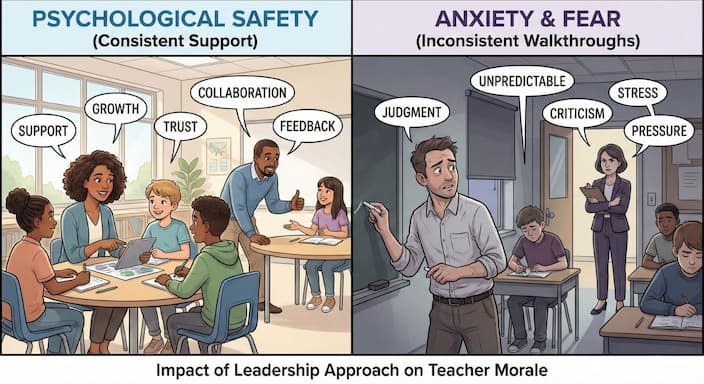
Psychological safety plays a significant role in teacher morale. When walkthroughs feel unpredictable or overly judgmental, teachers become stressed and unsure of where they stand.
Most teachers want an environment where feedback feels supportive, communication from school leaders is clear, and their work is genuinely valued. Yet only 46% of public K-12 teachers would advise their younger selves to choose teaching, showing how morale struggles relate to stress and lack of psychological security.
Clear and consistent feedback makes a noticeable difference. When walkthroughs focus on professional growth rather than fault-finding, teachers become more open to collaboration, reflection, and innovation in instructional practices. Strong relationships with leaders also support better classroom management and a healthier school culture.
Unfortunately, uneven support is common. Only 1 in 3 teachers say their principal provides real support for mental health and wellness, meaning many educators still feel alone when stress rises. Prioritizing consistent walkthroughs, clarity of expectations, and conversations that encourage, not discourage, teachers is key to building morale that lasts throughout the school year.
Why Do Inconsistent Observations Create Procedural Injustice?
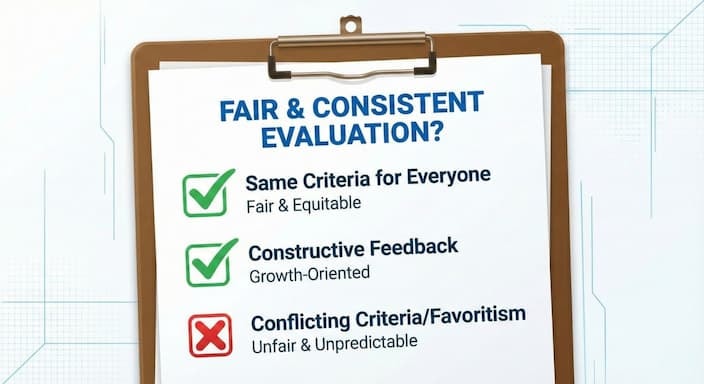
Fairness in observations is essential. When teachers receive different evaluation criteria depending on who enters the classroom, the process feels unpredictable and unfair. Human nature makes most teachers wonder if they did something wrong, and over time, this weakens trust and teacher confidence.
Research shows that fair and transparent evaluation systems strongly influence teacher satisfaction, trust in administrators, and positive engagement with school policies. When feedback is consistent, tied to observable classroom practice, and delivered to everyone equally, walkthroughs feel supportive rather than threatening.
Problems arise when:
- Different administrators give conflicting feedback
- Some teachers receive more support or attention than others
- Expectations shift without clear communication
This leads to procedural injustice, which damages morale, increases stress, and weakens staff unity. Rather than helping teachers grow, walkthroughs become something to fear or avoid.
Schools can prevent this by ensuring:
- The same criteria are applied to every teacher
- Feedback is constructive, not punitive
- Support is available to all teachers, not just a few
When fairness becomes the norm, teachers feel respected, collaboration increases, and feedback becomes a tool for professional success rather than a source of anxiety.
How Does Evaluation Anxiety Impact Professional Behavior?
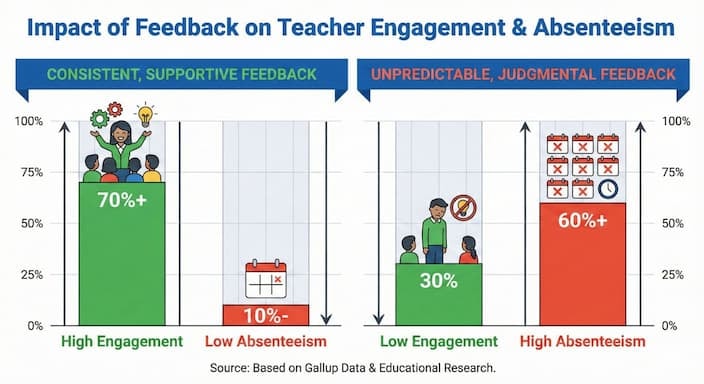
When walkthroughs are unpredictable, it becomes harder for teachers to stay motivated. Instead of feeling coached, many start feeling judged. This shift has real consequences.
Unpredictable evaluations directly correlate with lower employee engagement and increased absenteeism.
Gallup data indicates that only 30% of U.S. teachers report feeling engaged at work, with disengagement leading to significantly higher truancy. Specifically, actively disengaged educators miss nearly twice as many workdays as their engaged peers.
For schools, this behavioral shift represents a tangible financial and operational cost, as inconsistency drives the very burnout that leads to staff shortages.
Consistent, constructive feedback has a very different effect. It builds confidence, supports instructional practices, and helps teachers feel valued instead of criticized. It also encourages teachers to try new ideas and stay invested in their profession. The goal is clarity and support, not perfection. When expectations are clear and feedback feels fair, burnout drops, and teachers have more pride in their work.
Things that reliably keep teachers engaged include:
- Feedback that is predictable, specific, and growth-focused
- Recognition of effort, not only mistakes
- Evaluation criteria that feel equal for everyone
When these elements are in place, teachers feel supported enough to focus on teaching rather than worry about whether they might be doing something wrong.
Do Inconsistent Walkthroughs Affect Student Outcomes?
Teacher stress does not stay with teachers. It eventually re
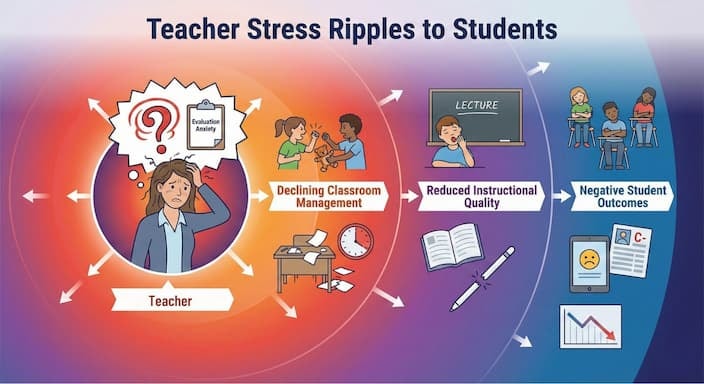
aches the classroom. When teachers feel anxious or unsupported, instruction declines in quality, classroom management becomes more difficult, and students begin to mirror that stress. Teacher turnover reflects this pattern. About 23% of teachers leave their school or role every year, and turnover rises to 30% among new teachers.
This impact is even more substantial in high-need schools. Turnover climbs to 29% in high-poverty schools compared to 19% in low-poverty schools, making it harder for students to experience stable instruction and consistent relationships. However, the opposite is also true. When teachers receive steady support and precise feedback, classrooms become more organized and student learning increases.
Supportive walkthrough systems contribute to student success by helping teachers:
- Stay focused on their students instead of the evaluation pressure.
- Maintain steady routines and classroom management patterns.
- Bring confidence, energy, and patience into the learning environment
Protecting teacher morale ultimately protects students. When teachers feel supported and valued, students benefit from higher engagement, more stability, and better learning outcomes.
How Does Inconsistency Impact High-Need Schools?
Teachers working in high-need schools carry more pressure than most, so when feedback is inconsistent, the impact is sharper. Many already feel stretched thin, and unclear evaluations can make them feel invisible rather than supported.
Research shows how serious the situation is:
• High-poverty schools lose around 20% of their teachers every year
• The highest-poverty schools lost 29% of teachers between Oct 2022 and Oct 2023
• Rural high-poverty schools report roughly 19.1% turnover
When support is steady and feedback is reliable, teachers feel connected to their school community and more confident in the classroom. What keeps teachers is simple: feeling valued, hearing constructive guidance, and knowing someone notices their hard work. Consistency builds that foundation and benefits both teachers and students.
What Are the Mental Health Implications for Teachers?
Behind every walkthrough is a person trying to keep up with a demanding job. When observations feel random or unclear, teachers spend more time worrying about how they are perceived than focusing on meaningful growth. That emotional whiplash weighs on mental health, and constant overthinking becomes mentally draining.
Teachers process feedback better when:
- Expectations are clear
- Feedback is actionable instead of vague
- The purpose is growth, not surveillance
With those pieces in place, teachers stay grounded, confident, and able to focus on their work rather than the fear of being judged. Consistency in walkthroughs is not just a technical improvement; it’s a matter of trust and a mental health safeguard.
How Can Leaders Build Relational Trust via Walkthroughs?
Trust is what keeps school culture strong. When teachers feel safe, heard, and respected, morale rises naturally. Walkthroughs become meaningful when the goal is support, not fault-finding. Teachers want to know why an observation is happening and how feedback will help them succeed, not catch mistakes.
Relational trust grows when leaders:
- Explain the purpose behind observations
- Listen actively during debriefs
- Apply expectations fairly to all teachers
A supportive approach encourages openness, idea-sharing, and collaboration. When trust is present, teachers feel comfortable trying new strategies, asking for help, and celebrating progress. That sense of safety is what strengthens the whole school community.
What Are the Best Practices for Consistent Walkthroughs?
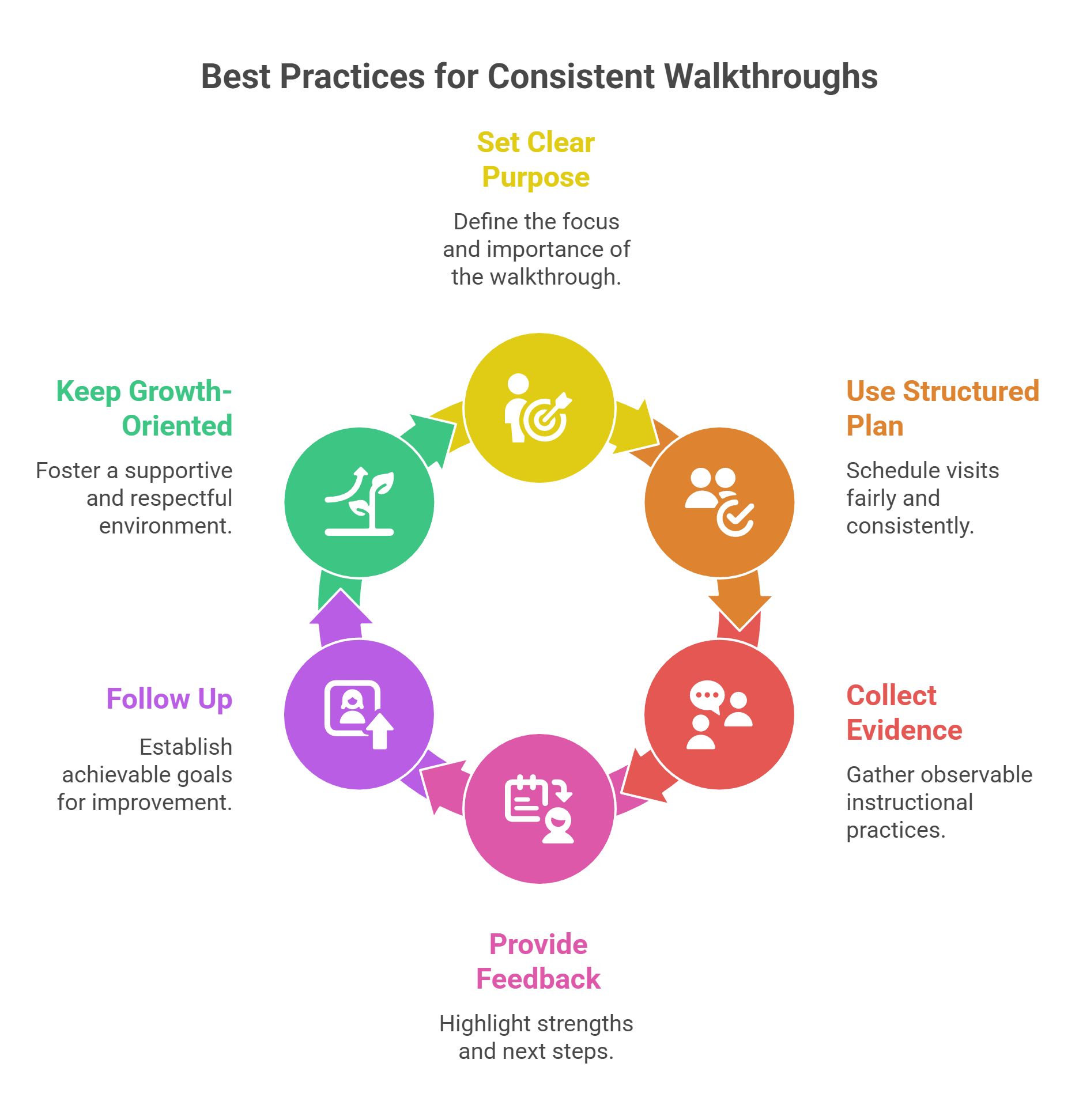
When walkthroughs are structured and supportive, they strengthen teacher growth rather than cause stress. These practices help turn observations into meaningful professional learning moments.
1. Set a clear purpose
Everyone involved should understand what the walkthrough is focusing on and why it matters. Clear expectations prevent confusion and keep the process positive.
2. Use a structured observation plan
A consistent schedule ensures every classroom is visited fairly and with the same instructional focus.
In our work helping schools implement the Education Walkthrough platform, we have found that digital scheduling tools eliminate the ‘surprise factor.’ By allowing leaders to set and share observation windows, the platform ensures no teacher feels targeted or overlooked.
3. Collect evidence, not impressions
Feedback should be grounded in observable instructional practices instead of opinion. With Education Walkthrough, observers can collect concrete evidence during the observation (notes, tags, and multimedia), which keeps conversations factual and productive.
4. Provide specific and constructive feedback
Teachers grow most when feedback highlights strengths and clearly identifies next steps connected to instructional outcomes. Education Walkthrough automatically organizes feedback into strengths and action steps, making it easier for teachers and leaders to talk about progress without feeling overwhelmed.
5. Follow up with action steps
Walkthroughs should end with simple, achievable goals that support improvement rather than add pressure. Because Education Walkthrough stores previous feedback and action plans in one place, leaders can continue the conversation instead of starting over each time.
6. Keep the process growth-oriented
Teachers are more open to feedback when they feel respected and supported. A walkthrough shouldn’t feel like a “gotcha moment” but a chance to grow together as a school team.
Resumen
The hidden cost of inconsistent walkthroughs on teacher morale affects more than teachers. It influences instructional practices, classroom management, and ultimately student learning across the school year.
When evaluations feel unpredictable, most teachers begin to lose confidence, compare themselves with other teachers, and feel unsupported by school leaders. This is human nature, and both new and veteran teacher groups experience the emotional strain.
Schools see a completely different result when walkthroughs are consistent, fair, and growth-oriented. Clear expectations, respectful feedback, and supportive coaching strengthen teacher morale, boost educator confidence, and help classrooms become more positive learning environments for students.
Education Walkthrough was built to make this easier, ensuring walkthroughs feel supportive rather than stressful, with fast feedback and simple tools that help teachers succeed.
Create walkthroughs that lift teachers, not wear them down.
Book a demo of Education Walkthrough
Preguntas frecuentes
Got questions? Our FAQs have you covered.
What are the hidden costs of inconsistent walkthroughs on teacher morale?
Inconsistent walkthroughs can severely damage teacher morale by creating chronic anxiety, eroding trust in leadership, and undermining confidence. This leads to a detrimental emotional and psychological impact on educators.
How do inconsistent walkthroughs affect teacher-student relationships?
Inconsistent walkthroughs can undermine teacher confidence and increase stress, which negatively affects instructional quality and classroom management. This can lead to heightened anxiety and behavioral issues in students, ultimately straining the teacher-student relationship.
What is the role of school leadership in mitigating the negative impacts of walkthroughs?
Effective school leadership plays a crucial role in mitigating the negative impacts of walkthroughs by ensuring fair evaluation practices, offering constructive feedback, and actively involving teachers in decisions. This approach fosters trust and enhances teacher morale, creating a more positive environment for growth.
How can schools support teachers in high-need areas?
Schools can effectively support teachers in high-need areas by providing essential resources, ongoing professional development, and regular feedback, fostering a sense of value and belonging within the school community. Implementing these strategies can significantly enhance teacher retention and student outcomes.
What are some best practices for conducting effective walkthroughs?
To conduct compelling walkthroughs, establish clear objectives, offer constructive feedback, create structured schedules, and utilize standardized observation tools for consistency. These practices will enhance the overall effectiveness of your walkthroughs.